Three Days in Punaga
A story of three days in Punaga, Takalar - from researching the Sayyid community in Cikoang to enjoying seafood and the beauty of South Sulawesi.

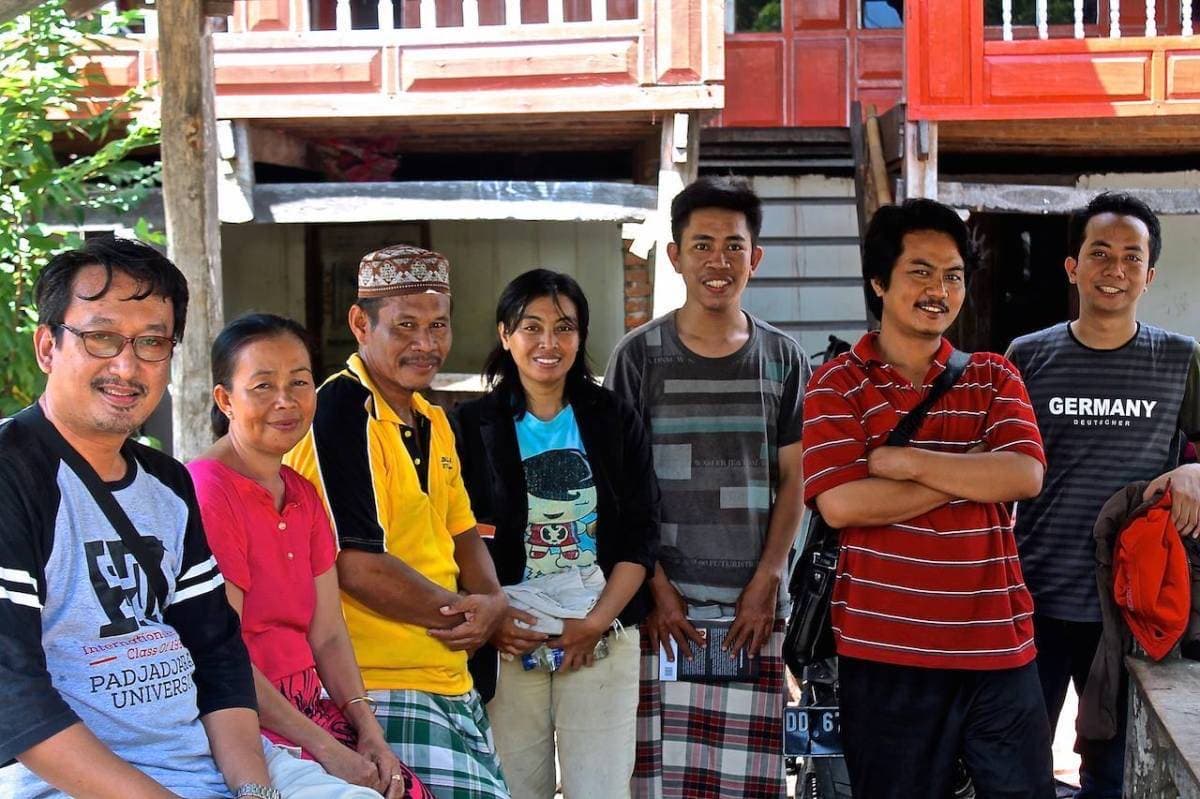
Punaga is a village located in the southernmost part of the South Sulawesi peninsula. If you look at a map, it sits at the tip of South Sulawesi's left toe, alongside Laikang and Puntondo Bay. Punaga, whose beach served as a filming location for The Sinking of the Van der Wijck in 2013, is the hometown of my friend Irsak, whom I have known since high school. Back in high school, the three of us (together with Rukman Muslimin) formed a team that actively participated in various inter-high school academic competitions in Makassar. We often visited Punaga and Puntondo to conduct research (or more accurately, literature reviews) on coral reef damage along Punaga Beach. In Puntondo, we would always visit the PPLH Puntondo environmental center to look for references in their library. That library had a wealth of National Geographic magazines, which were beyond our budget at the time. I still feel guilty -- there are about 4 to 6 magazines that I "borrowed" and have yet to return, seven years later. Ha! We also knew Pak Kasim, an alumnus of Hasanuddin University's Faculty of Marine Science, a native of Puntondo who married a local woman and settled there. Pak Kasim once served as the advisor for our research paper on coral reef damage in Punaga.
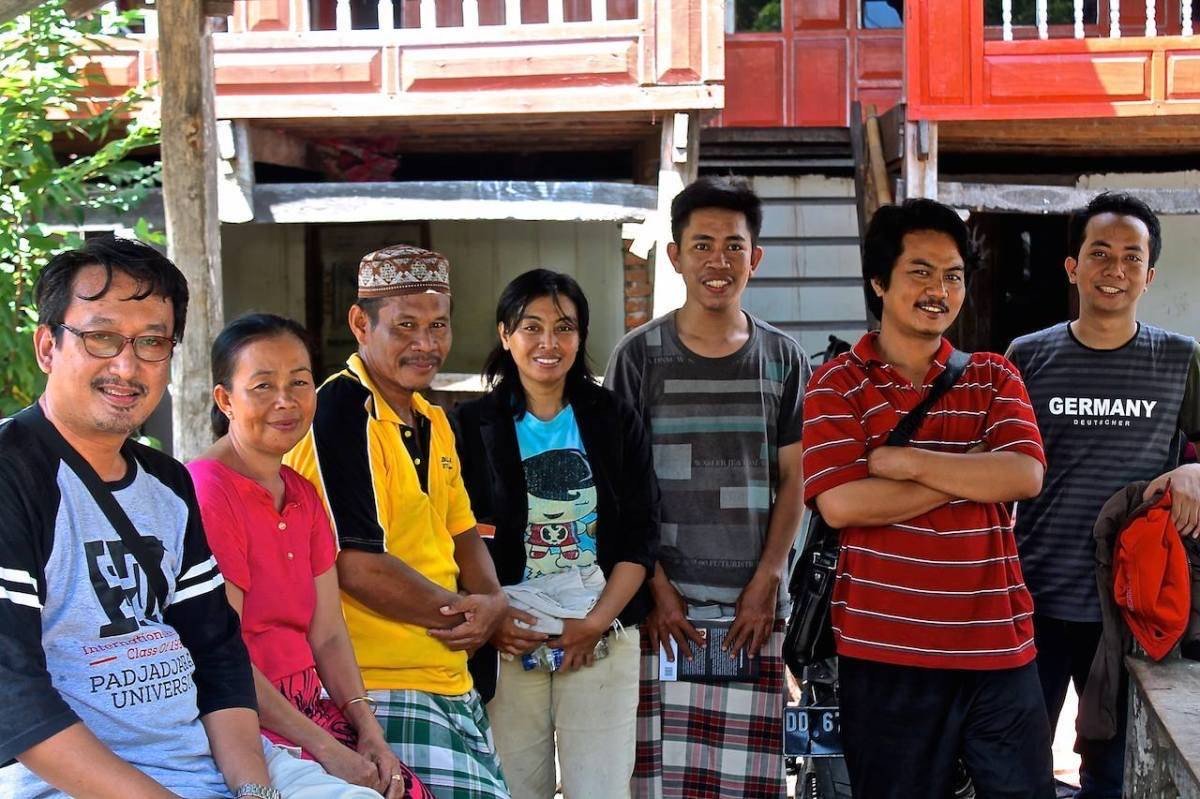
About two weeks ago, I revisited Punaga and Puntondo. This time, I traveled with Pak Dicky Sofjan, Mba Any (also at ICRS), Pak Supa (a lecturer in Arabic Literature at Hasanuddin University), and Mas Imran (a doctoral student at ICRS, originally from Gowa). I had previously worked at IIWS (Indonesian Interfaith Weather Station) with Pak Dicky as the principal investigator. Pak Dicky and the team had come to Makassar for the launch of the Indonesian edition of his latest book, "Religion, Public Policy, and Social Transformation in Southeast Asia," held on January 24, 2017, at the Faculty of Letters, Hasanuddin University.
Back to Punaga.
The purpose of the trip was to conduct a preliminary research on the Sayyid community and the annual Maudu' Lompoa (Grand Maulid) celebration in Cikoang, Takalar. Since we had no contacts in Cikoang, we stayed at Irsak's house in Punaga, about two kilometers from Cikoang.
Research in Cikoang
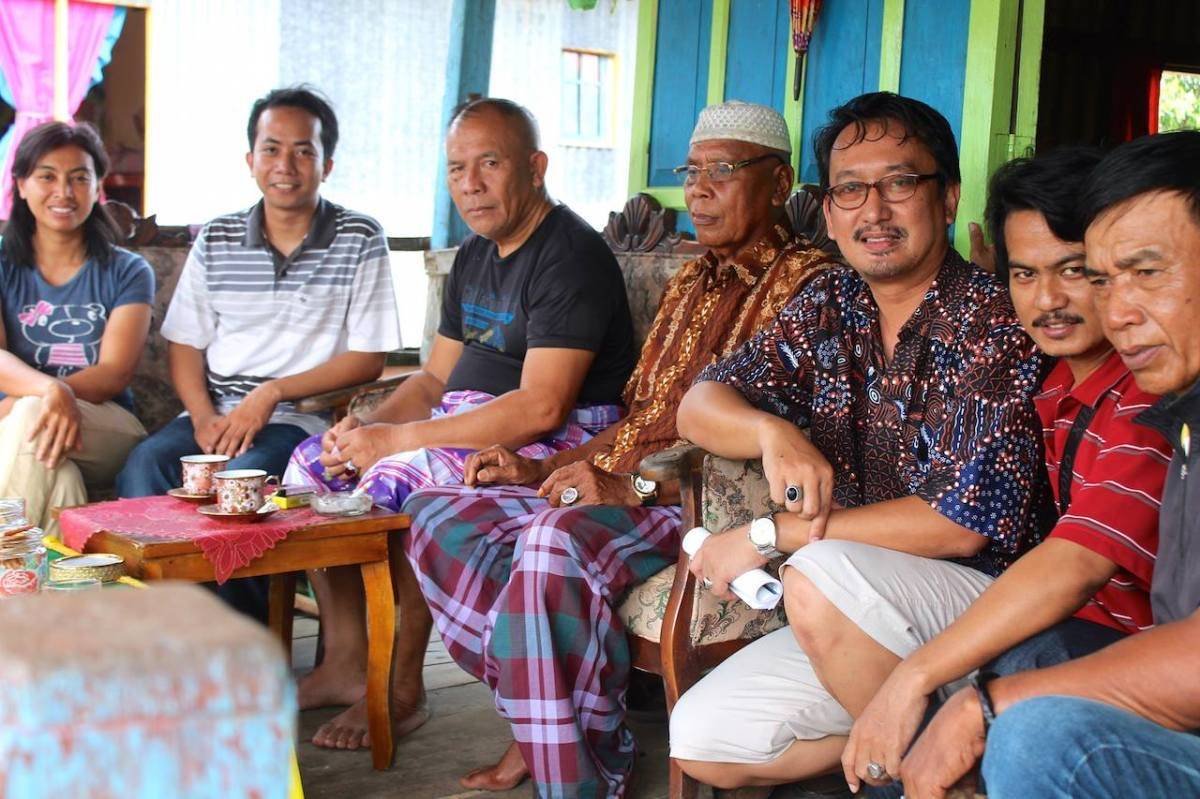
In Cikoang, we first visited the house of Tuang Jama', but he suggested we see Karaeng Opua, the leader of the Sayyid community in Cikoang. However, Karaeng Opua was unwell, so Tuang Jama' took us to another Sayyid figure, Tuang Molla. There, we interviewed Tuang Molla and another Sayyid elder whose name escapes me -- he served as the "executor." This Sayyid executor was responsible for carrying out the customary punishments of the Sayyid community against those who violated their traditions. Most violations were related to marriage.
The customs of the Sayyid community in Cikoang forbid non-Sayyid men from marrying Sayyid women, although Sayyid men are free to marry women from outside their community. It is undeniably patriarchal, but such is their tradition. The consequence for violators is that they must leave Cikoang (and the surrounding areas) and take all their belongings with them, including their house. In enforcing these customary sanctions, the violators are given up to three warnings from the customary council. If, after the third warning, the violators still fail to comply, the executor and the customary council -- supported by the compliance of the non-Sayyid population -- will forcibly expel the offenders, and their houses in Cikoang will be demolished if they have not already been relocated.
PPLH Puntondo
Our interview lasted only about an hour. Afterward, we headed to Puntondo, specifically to the Puntondo Environmental Protection Center. Irsak, seated in the front passenger seat, allowed us to enter PPLH Puntondo free of charge. This is where I had "borrowed" those National Geographic magazines I mentioned earlier -- still unreturned to this day. Ha! In any case, the place grows more enchanting by the day. Unfortunately, I did not have the chance to take many photos.
As the afternoon approached, we headed back to Punaga. Before that, though, we stopped at a place called "Barugaya." This is where Zainuddin, in the film The Sinking of the Van der Wijck, lived and asked permission from Mak Basse, his guardian, to travel to Batipuh, West Sumatra, to study religion in the hometown of his late father, Pandekar Sutan. Unfortunately, my phone had died, so I could not take any photos.
Punaga Seafood
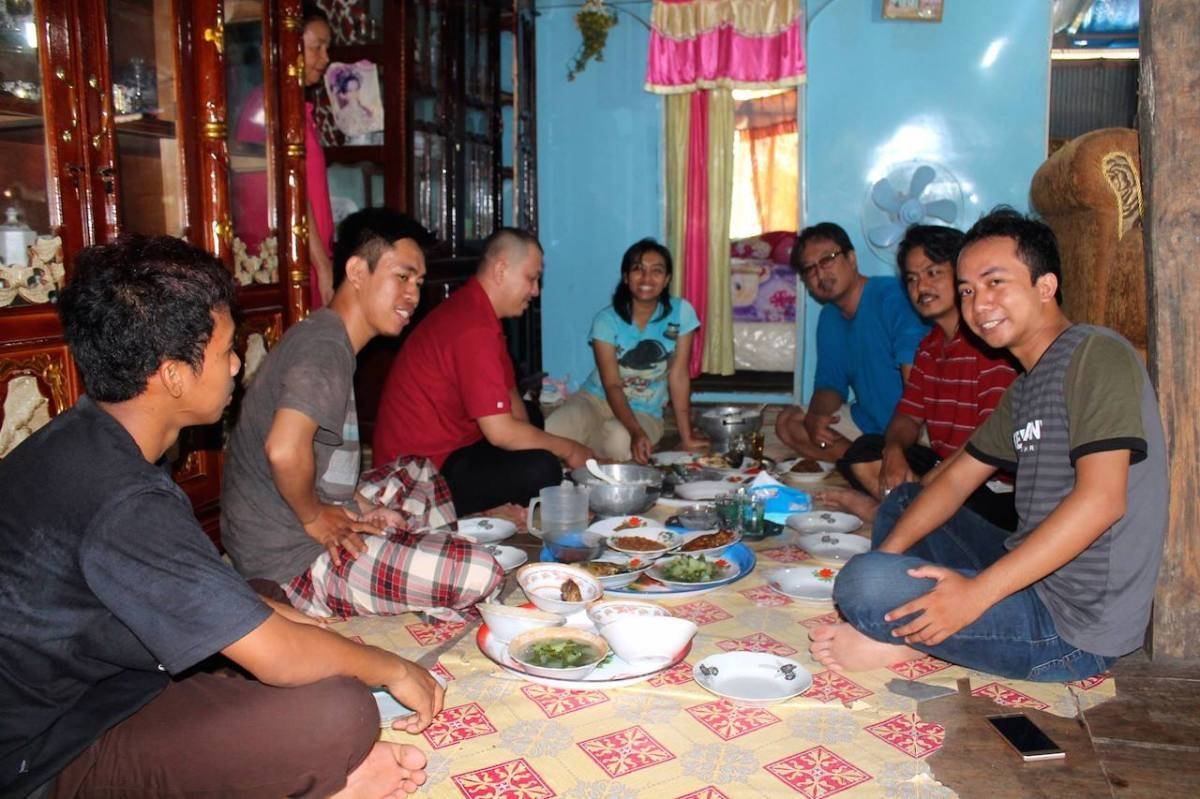
One thing we could not miss in Punaga, of course, is the seafood. I only recently realized that seafood is considered quite a luxury for Javanese people, especially those who live far from the coast. Meanwhile, in Makassar and South Sulawesi in general, we eat seafood every day -- chicken in its various preparations actually holds the more "luxurious" status. At Irsak's house, we were truly treated to the finest seafood in Sulawesi. We bought the fish right there in Punaga, about 50 meters from Irsak's house. We even ate stingray!
We were also served fresh young coconuts courtesy of Haji Noto. The coconut palms, standing 15 to 20 meters tall, are typically climbed by children aged 10 to 14. My thanks to young Ballacu' (yes, that is the name of our climber) who scaled two coconut trees and left us stuffed. Apparently, Ballacu' is well known as a coconut tree climber. This boy, roughly 13 years old, earns 5,000 rupiah for every coconut tree he climbs.
Finally, on the third day, January 22, 2017, we said our farewells to Haji Sirajuddin Noto and his family before heading back to Makassar. This family truly upholds the Makassarese principle of honoring guests: you cannot leave until you are absolutely full. I hope we can return to Punaga someday -- a hidden paradise at the tip of South Sulawesi's left toes.
Bontokaddopepe, February 5, 2017