West Sumatra: The Buya Hamka Museum
A visit to the Buya Hamka Museum in Sungai Batang, Lake Maninjau, West Sumatra - the birthplace of one of Indonesia's greatest literary figures.


In mid-July 2016, I happened to have an event with YSEALI Academic Fellows alumni in Kuala Lumpur, Malaysia. Suddenly it occurred to me: why not visit Sumatra? Since I was in a city with cheap flights to Sumatra, I thought I might as well go. I decided to head to West Sumatra and ended up visiting Lubuk Basung, Maninjau, and Bukittinggi. Why West Sumatra? Well, probably because I wrote about a West Sumatran figure, Buya Hamka, in my undergraduate thesis. And so I set off from Kuala Lumpur to West Sumatra, having purchased a round-trip ticket from KL to Padang for roughly 550,000 rupiah. Quite a bargain!
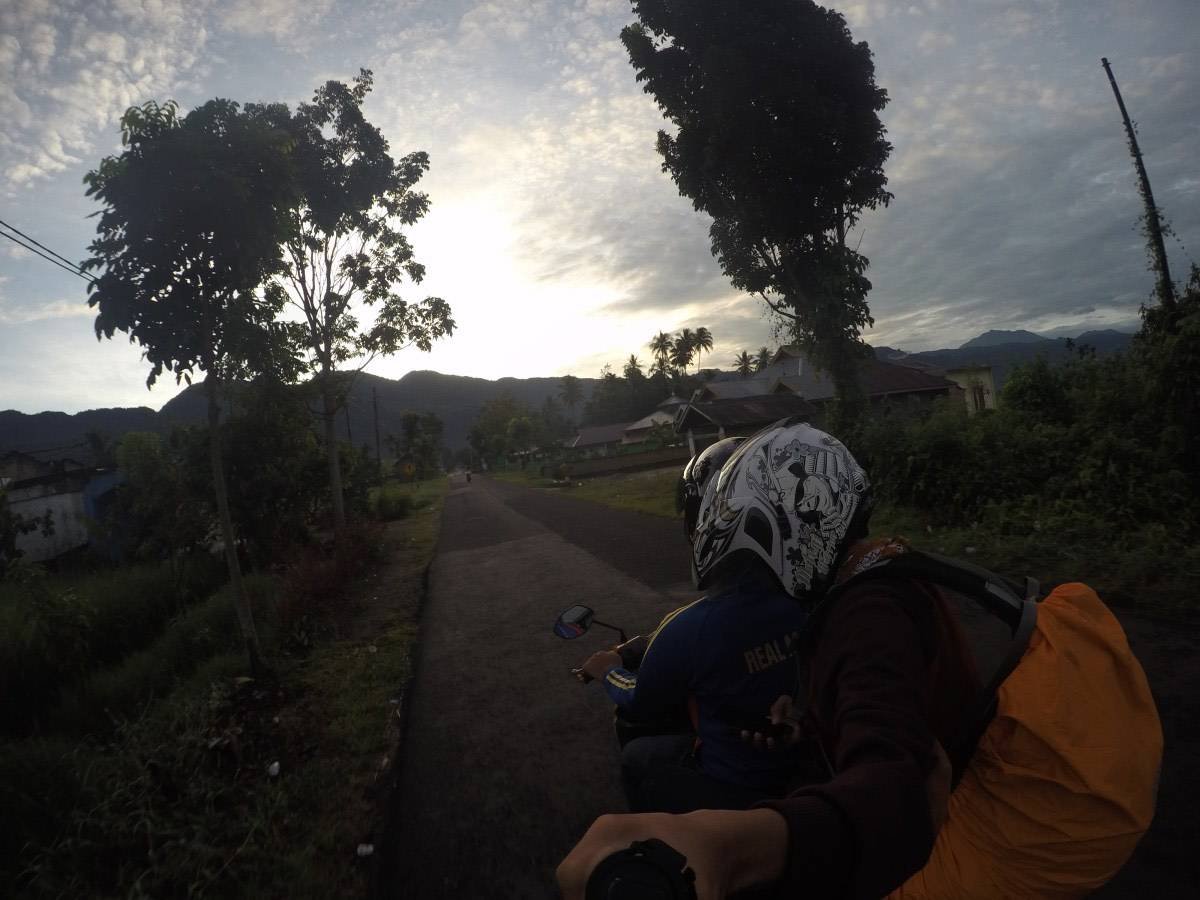
Fast forward -- after spending a night in Lubuk Basung with my Couchsurfing friend Rizky Kurniawan, we set out for Sungai Batang, a village nestled on the shores of Lake Maninjau. It was in Sungai Batang that Hamka was born, and his birthplace has been turned into the Buya Hamka Museum. From Lubuk Basung, we rode a motorcycle for about 80 minutes. Since Sungai Batang is on the opposite side of Lake Maninjau, we had to ride around the lake for approximately 45 minutes. After asking a few locals for directions, we finally arrived at Sungai Batang and the Buya Hamka Museum.
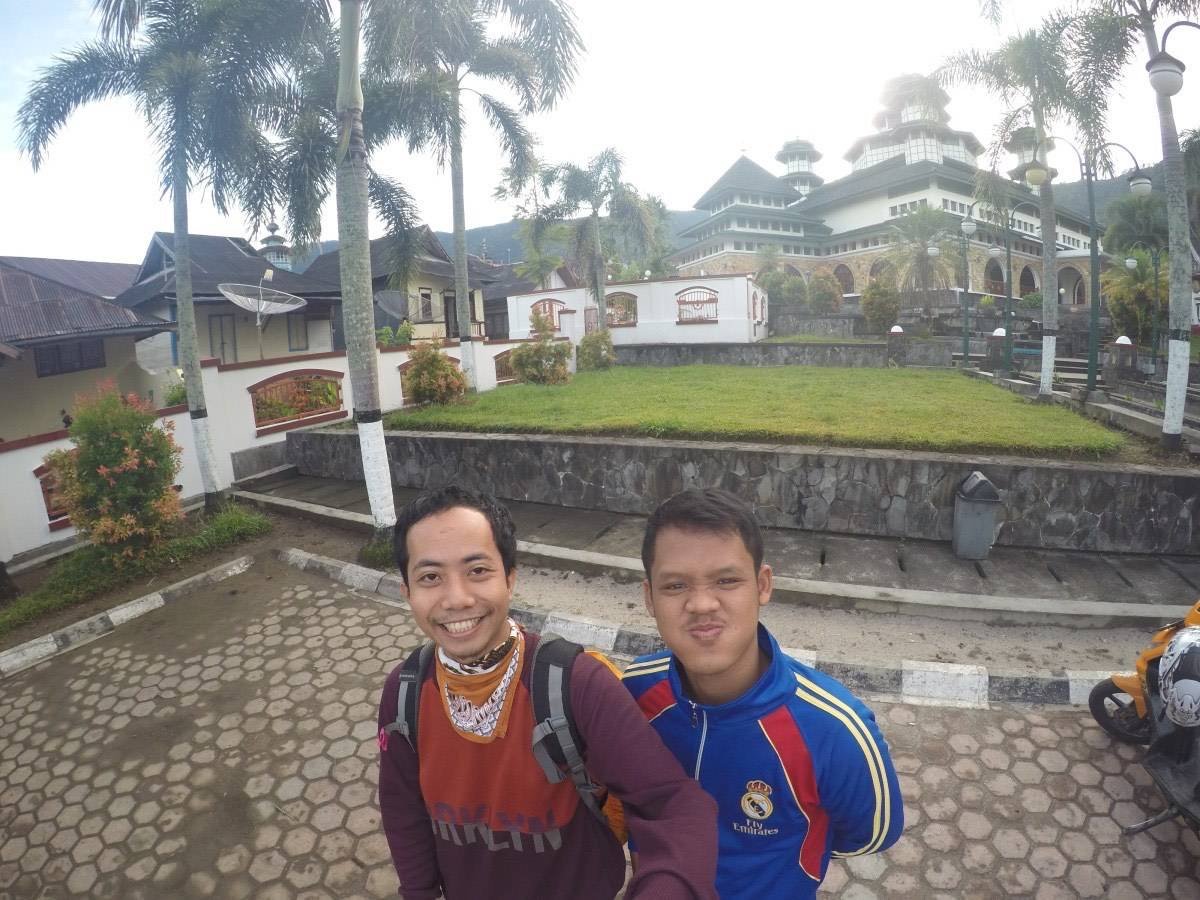
As it turned out, the museum was not yet open! So we decided to wait, entertaining ourselves by watching a trained macaque pick coconuts in the yard across from the museum. Next to the museum stands a small building dedicated as a reading room. It was donated by ABIM, the Malaysian Islamic Youth Movement. The attention given by ABIM deserves recognition.
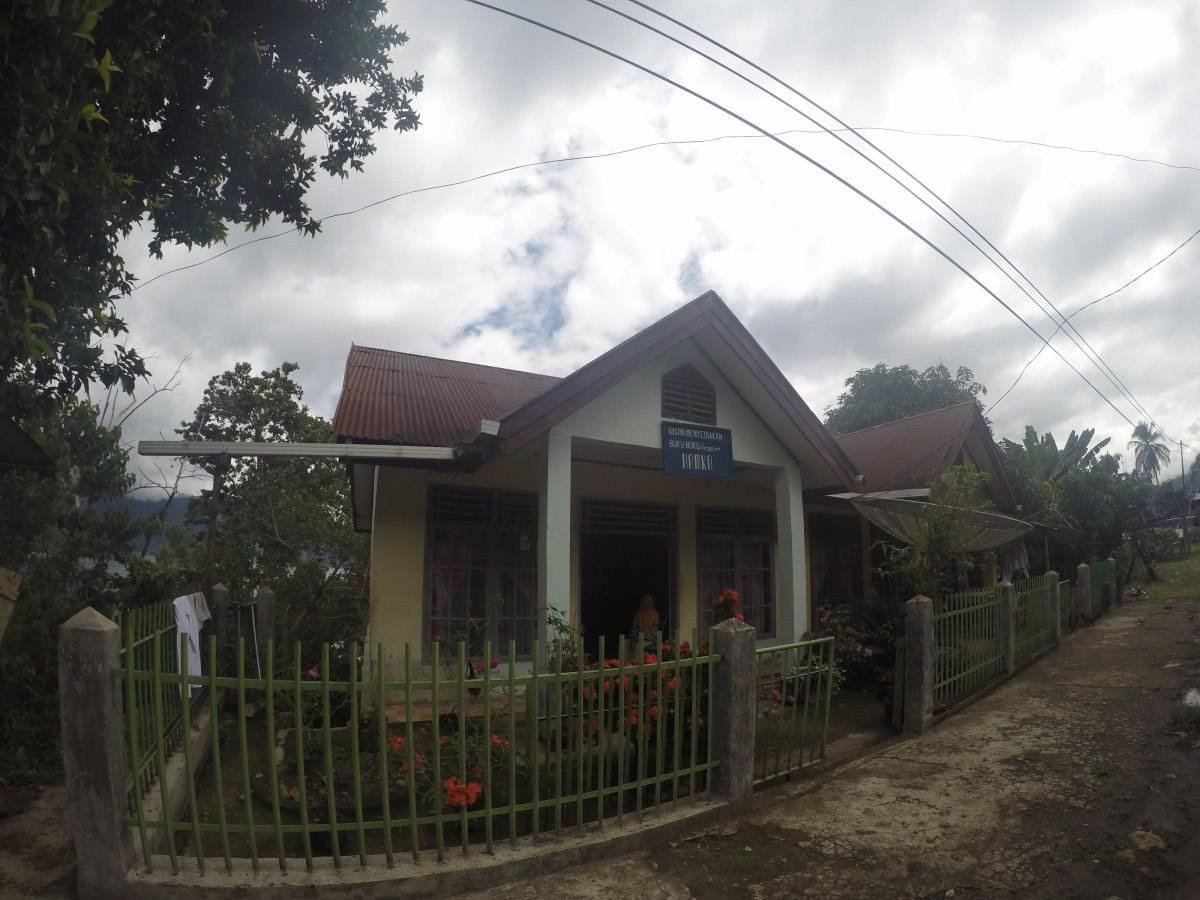
In front of the museum, there is a house selling books about or written by Hamka. I bought two of his novels: Terusir (The Exile) and Merantau ke Deli (Journeying to Deli). After waiting about an hour and a half, the museum keeper finally arrived. We were the first visitors of the day. I went in and introduced myself as a visitor from Makassar.
Let's Talk About the Museum...
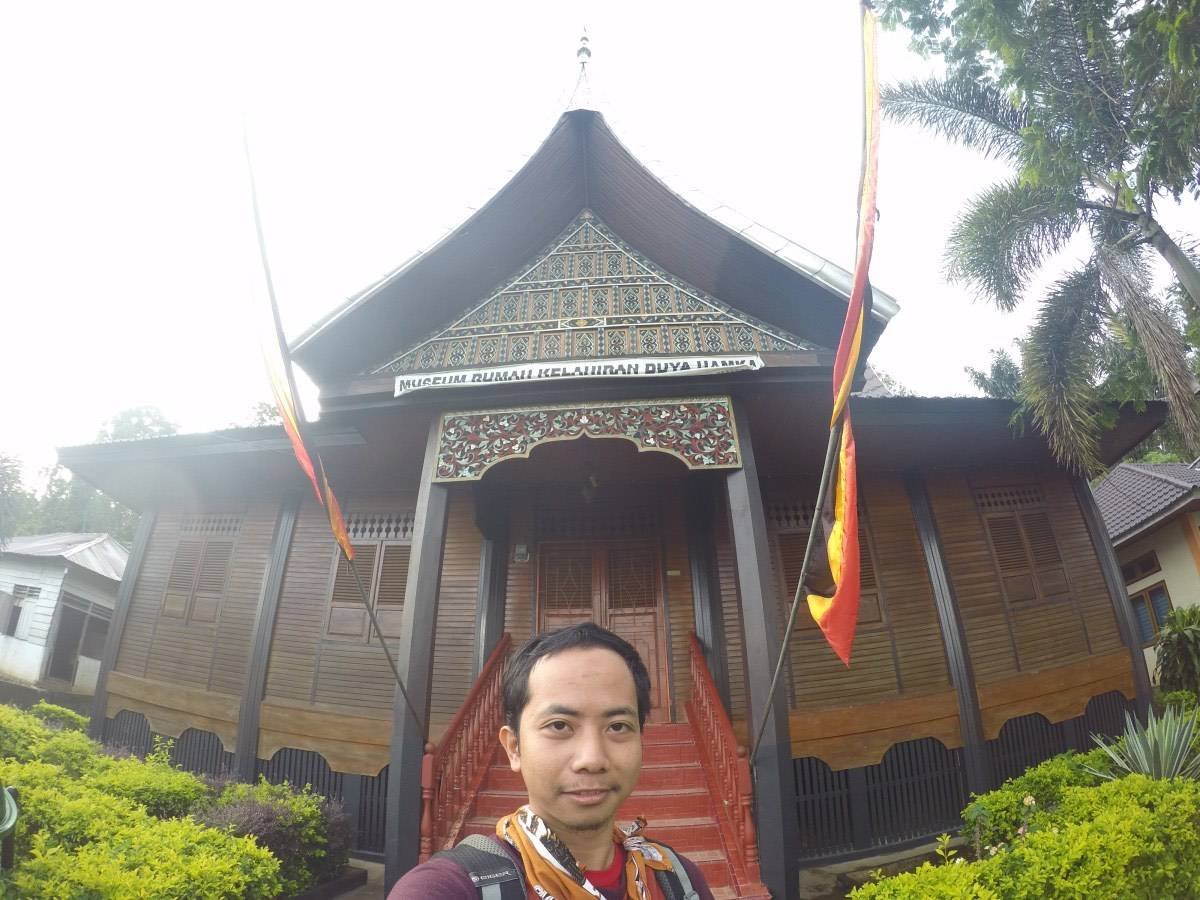
The museum building is a single-story structure, with approximately 90% of its construction made from wood. Below the ground floor, there is a space about 130 centimeters high. In Makassar, a space like that would typically be occupied by chickens or dogs. 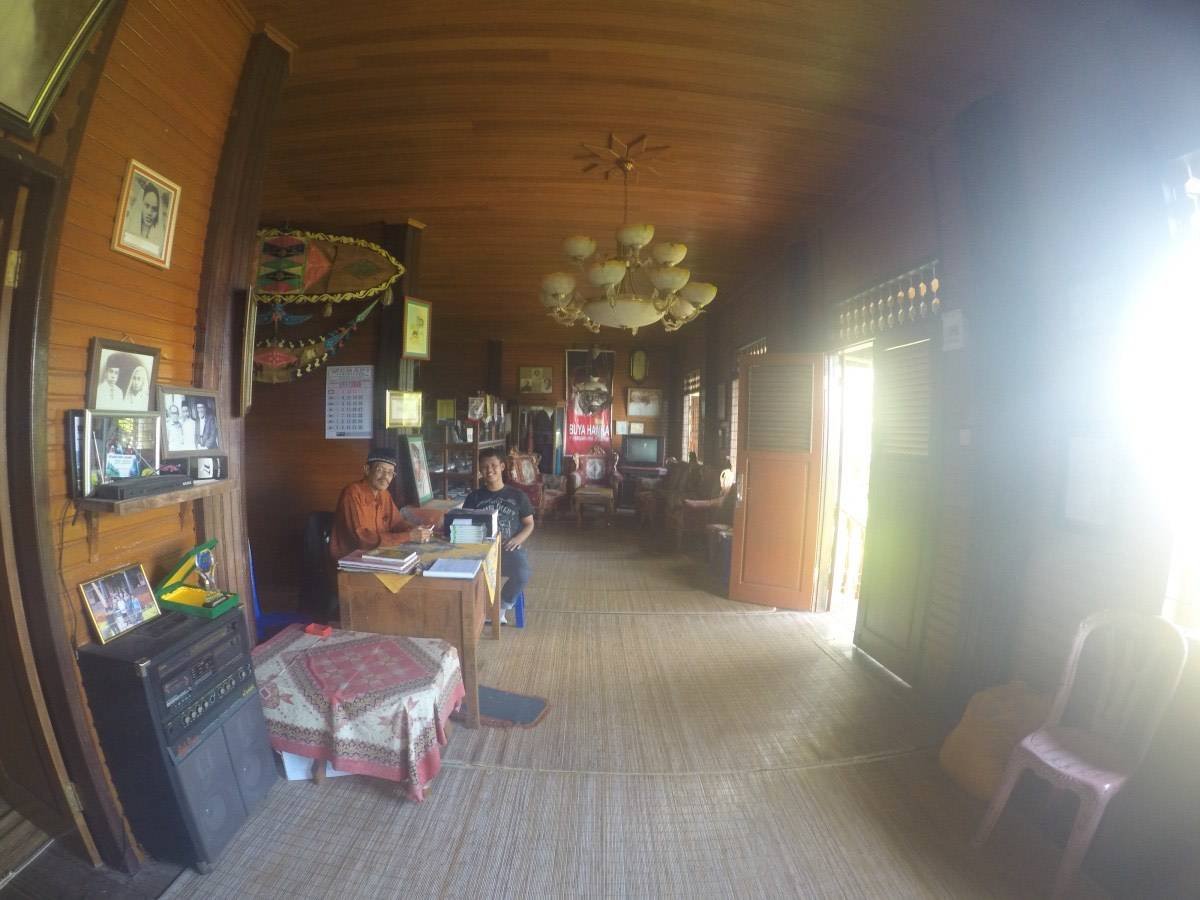
The museum's contents are rather modest, featuring photographs and books by Hamka in various editions and languages. Still, I find the museum adequately representative in depicting Hamka's life. On the wooden walls, various certificates and commendations from international visitors are displayed.
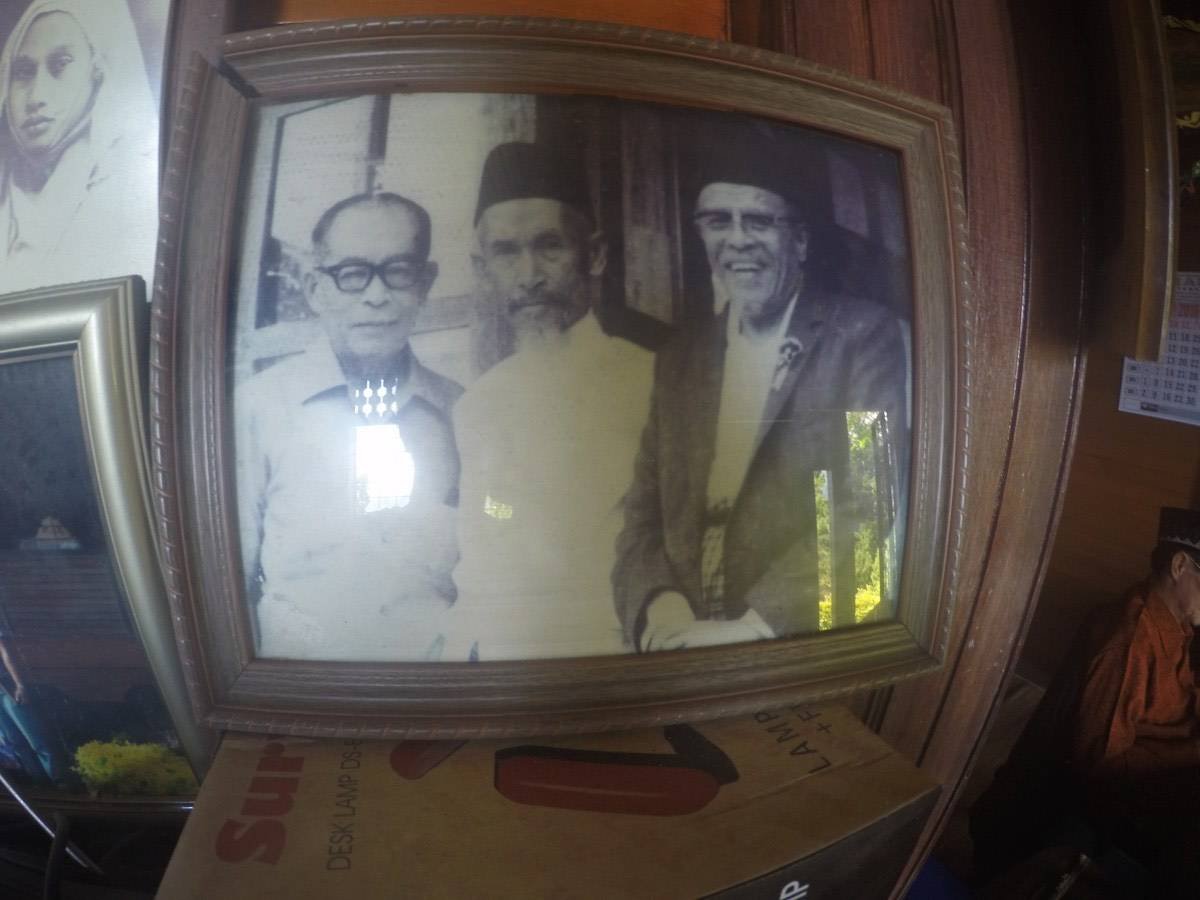
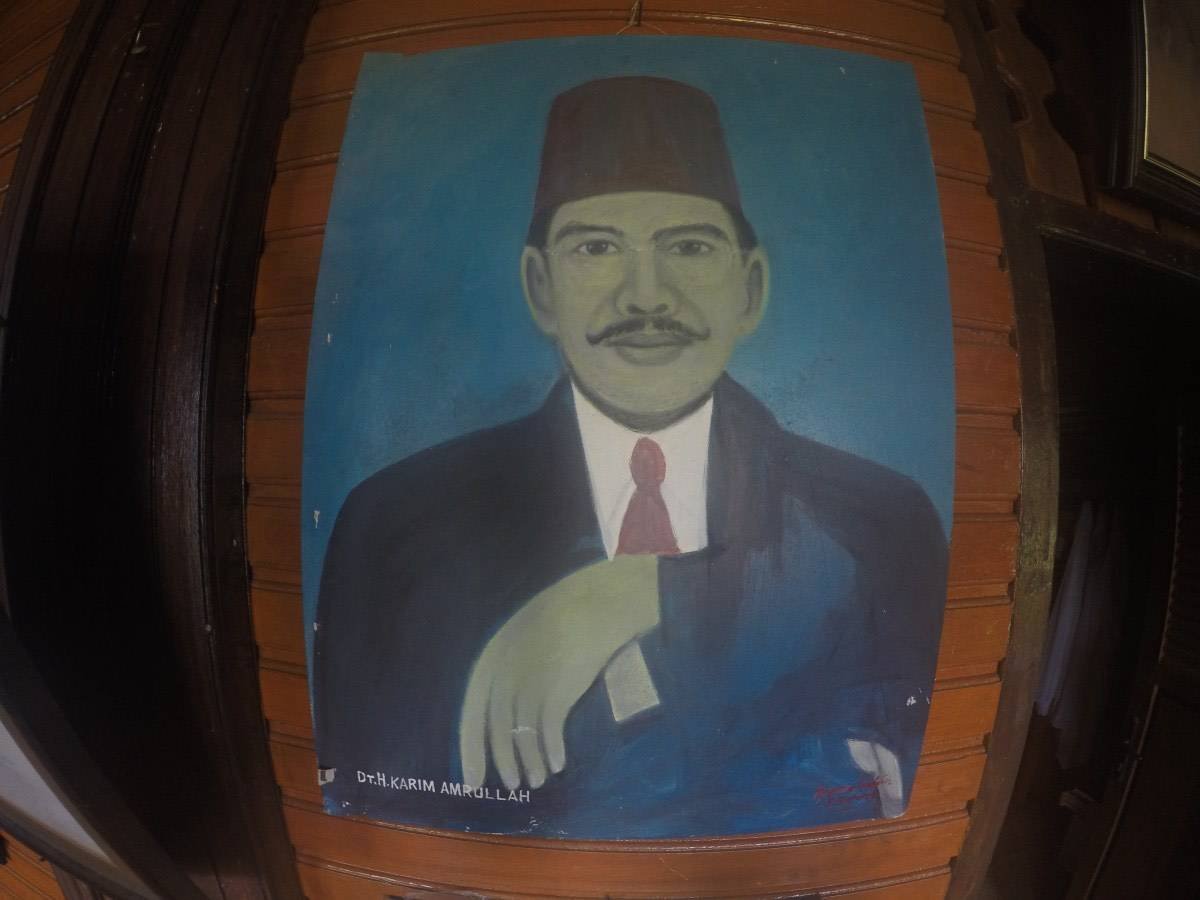
If you visit the museum, you will meet Pak Hanif Rasyid. He is the biological son of A. R. Sutan Mansur, which makes him Hamka's nephew. Sutan Mansur married Hamka's older sister. Pak Hanif Rasyid is a very friendly man, and you can have lengthy conversations with him about the history of West Sumatra and about Hamka himself. At the registration desk, he also sells a bound paper about Hamka's life that he compiled himself. Also available is a CD containing a collection of Hamka's lectures delivered at RRI (Radio of the Republic of Indonesia) and other venues.
Overall, the museum is nearly deserving of the label "representative." What truly saddened me, however, was learning about the museum's funding. Pak Hanif Rasyid admitted that the museum's operating costs come from the extended family and visitor donations, while the Agam Regency Government had never provided any contribution or assistance. What a shame, I thought, considering that even an organization like ABIM had helped -- even constructing a building to serve as a reading room.
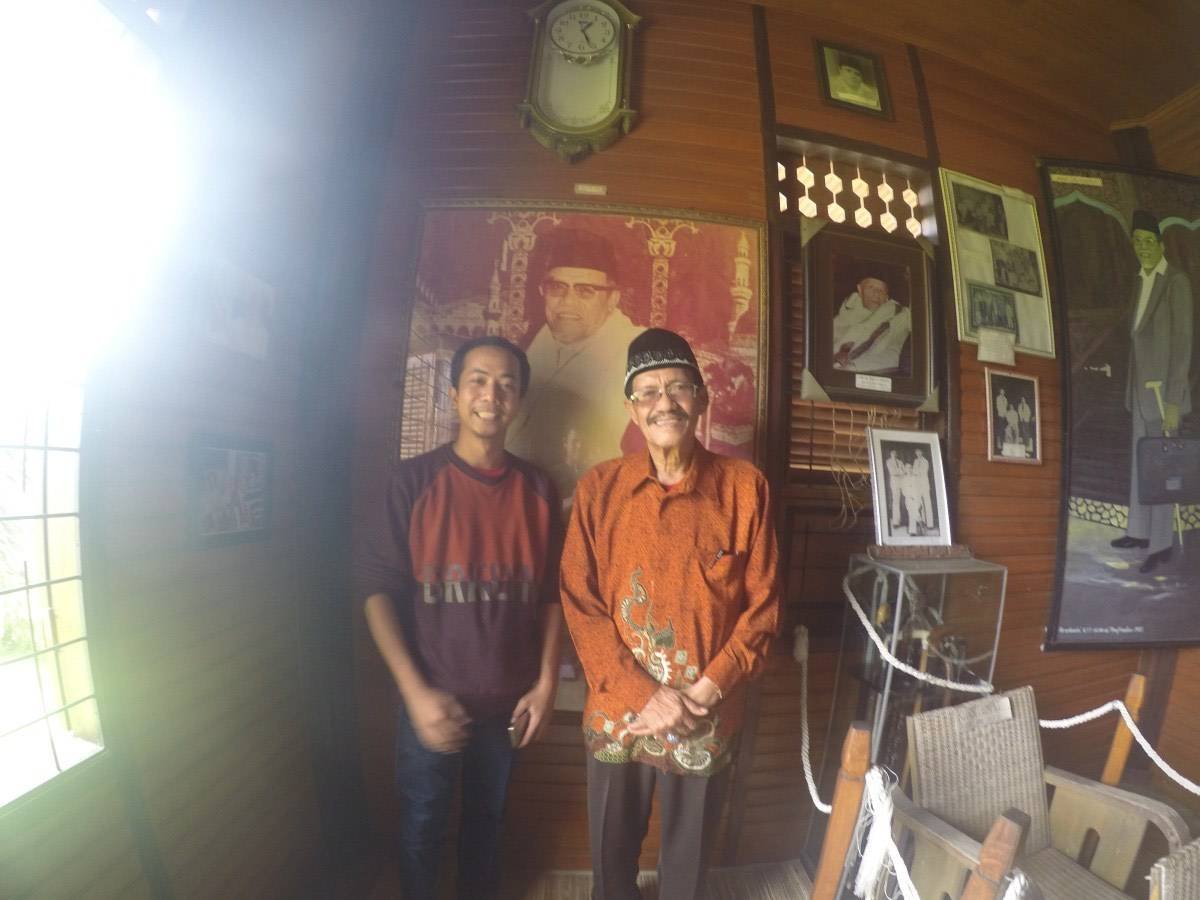
After chatting for roughly two hours, I asked Pak Hanif for permission to continue my journey to Bukittinggi. On the way to Bukittinggi, the museum was still on my mind. The thing is, although historian James R. Rush published a new biography of Hamka in June 2016, scholarly interest from social scientists (especially historians) outside Indonesia appears to be dwindling. This is especially so after the passing of historian Jeffrey Hadler a few weeks prior. So if the Agam Regency Government itself, or even Governor Irwan Prayitno, does not directly support the existence of museums like this, it would seem only natural that the interest of historians and social scientists is no longer what it once was toward West Sumatra.
As the car I was riding in climbed uphill through the famous Kelok 44 toward Bukittinggi, I prayed that when I returned, things would have improved.
Bontokaddopepe, February 6, 2017