A Day's Adventure in Islamabad
An experience visiting Islamabad, Pakistan, for a PUAN peace conference and exploring Daman-e-Koh, Saidpur, Pakistan Monument, and Faisal Mosque in a single day.

This article was previously published in Lentera Magazine, Edition I, January 2018
From August 2 to 7, 2017, I had the opportunity to visit Islamabad, Pakistan. The trip piqued my interest because it was my first time visiting South Asia.
My purpose in Islamabad was to attend a peace conference organized by PUAN (Pakistan-US Alumni Network) and the United States Embassy in Pakistan. I was there with two other participants invited from Indonesia: Badrus Sholeh from UIN Jakarta and Alijah Diete from Yayasan Prasasti Perdamaian.
After a three-hour flight from Jakarta to Bangkok, we continued with a nearly six-hour flight to Islamabad. We arrived at Benazir Bhutto International Airport around midnight.
The airport had very limited facilities and, in my opinion, was not professionally managed -- evidenced by four power outages that occurred there when I was returning to Bangkok.
My expectations about the security situation in Islamabad proved accurate: we passed through a toll road with three checkpoints guarded by officers carrying assault rifles.
An equally tense experience awaited us at the hotel entrance. Four armed officers inspected the car we were riding in. They opened the front hood, the rear trunk, and checked underneath the vehicle. Understandably so, as the hotel we were staying at had been hit by a car bomb attack in 2008.
After the conference, which ran through the 6th, I was left with only one free day to visit the various interesting places in Islamabad.
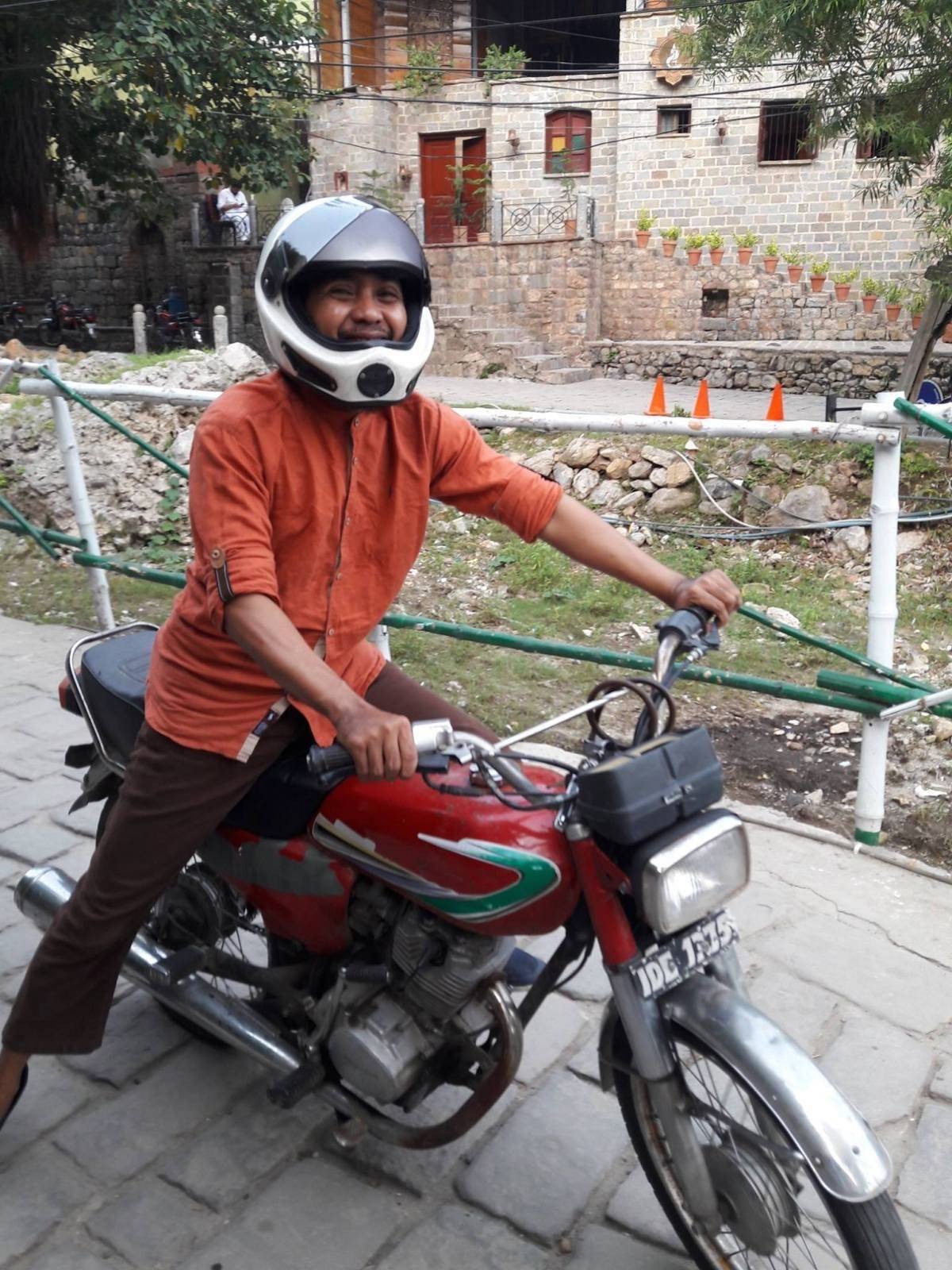
With the help of an Indonesian friend who had previously lived in Islamabad, I was picked up by Abdullah, another Indonesian who was studying at IIUI (International Islamic University of Islamabad). Abdullah and I rode his motorcycle from the hotel to the main IIUI campus.
An interesting thing about Islamabad is that you are not required to wear a helmet if you are just a passenger.
After roughly 30 minutes through Islamabad's wide and beautiful streets, I finally arrived at the old IIUI campus. Abdullah took me to the IIUI dormitory canteen to meet and have a brief discussion with several other Indonesian students.
Due to the hot weather, we rested for a while in the room of Syuaib, a student from Bulukumba who had been in Islamabad for eight years. I also met Firos from Jakarta, who had just completed his bachelor's degree in Islamic Studies.
Daman-e-Koh
After the noon prayer, Syuaib, Firos, and I set off for our first destination: Daman-e-Koh, a hilltop located in Margalla Hills National Park in the northern part of Islamabad.
Daman-e-Koh is the best spot to see Islamabad from an elevated vantage point. From there, you can continue the journey to Pir Sohawa, which sits even higher.
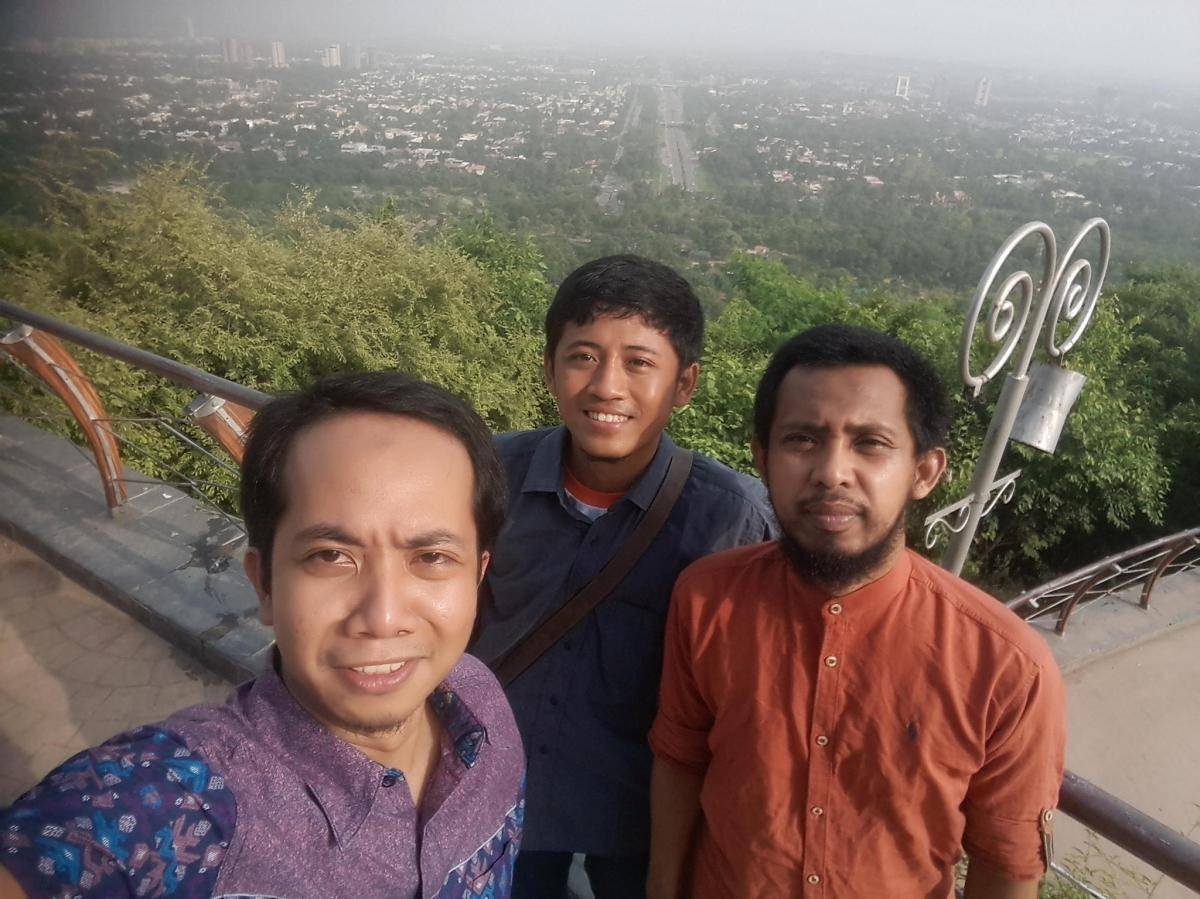
From Daman-e-Koh, you can see the straight stretch of Seventh Avenue spanning four kilometers. But you should be careful, especially if you bring food: dozens of monkeys roam around, ready to snatch it from you.
It is not only Daman-e-Koh itself that is impressive, but also the winding, uphill journey to get there, accompanied by beautiful natural scenery.
Saidpur
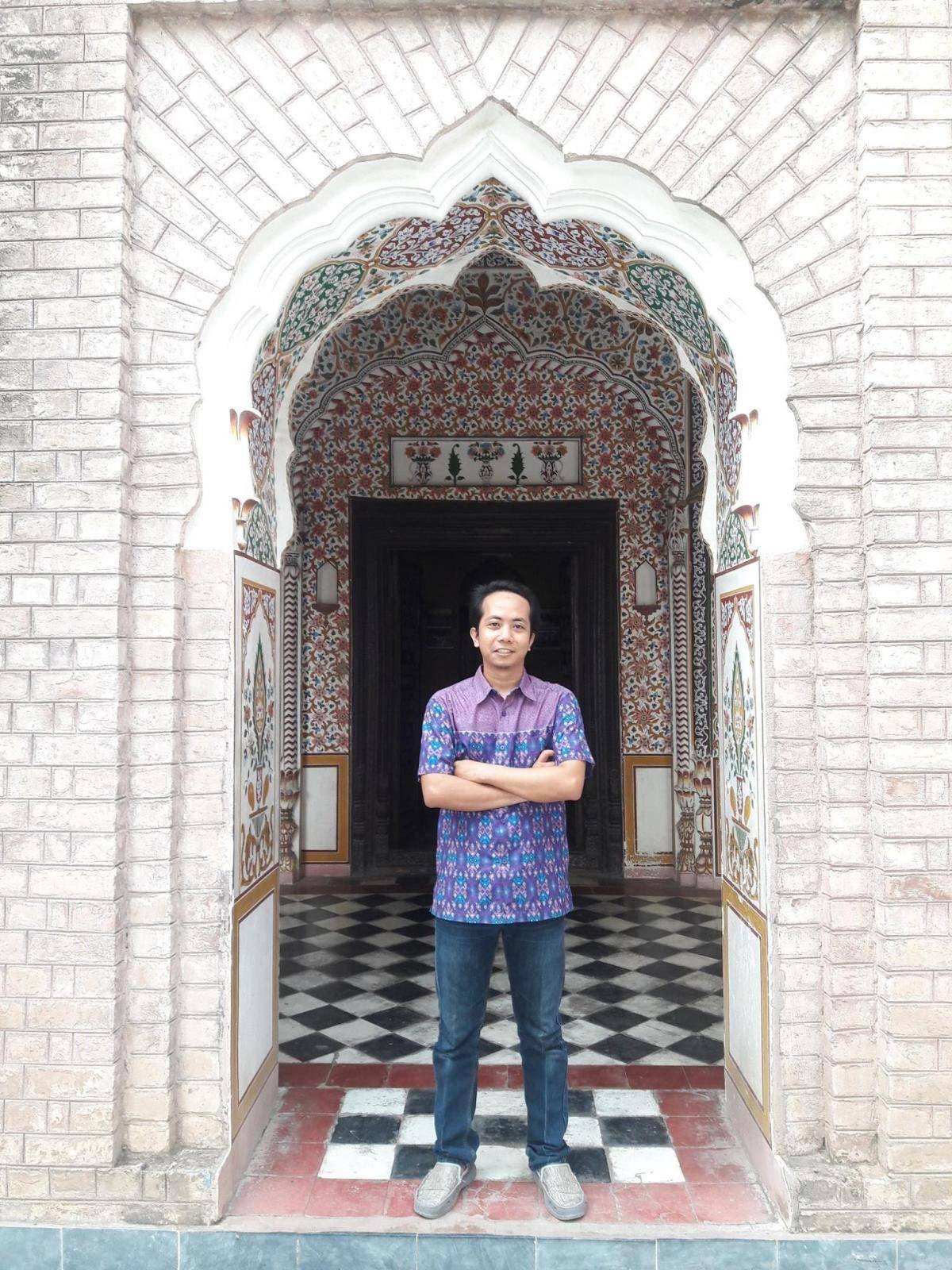
The writer Khaled Hosseini was not exaggerating when he described Daman-e-Koh in his novel, The Kite Runner. After enjoying the view from Daman-e-Koh, we rode back down the hill toward the valley. There, we found an old and historic village called Saidpur.
The village was named after Sultan Said Khan, son of Sultan Sarang Khan, a regional leader of Pothohar under the rule of Babur, the famous king and founder of the Mughal Dynasty.
Said Khan later gifted this village to his daughter, who married Jahangir, the Mughal emperor and son of Akbar (Abul Fath Jalaluddin Muhammad Akbar, or Akbar the Great) -- known in Indonesia through the television series Jodha Akbar.
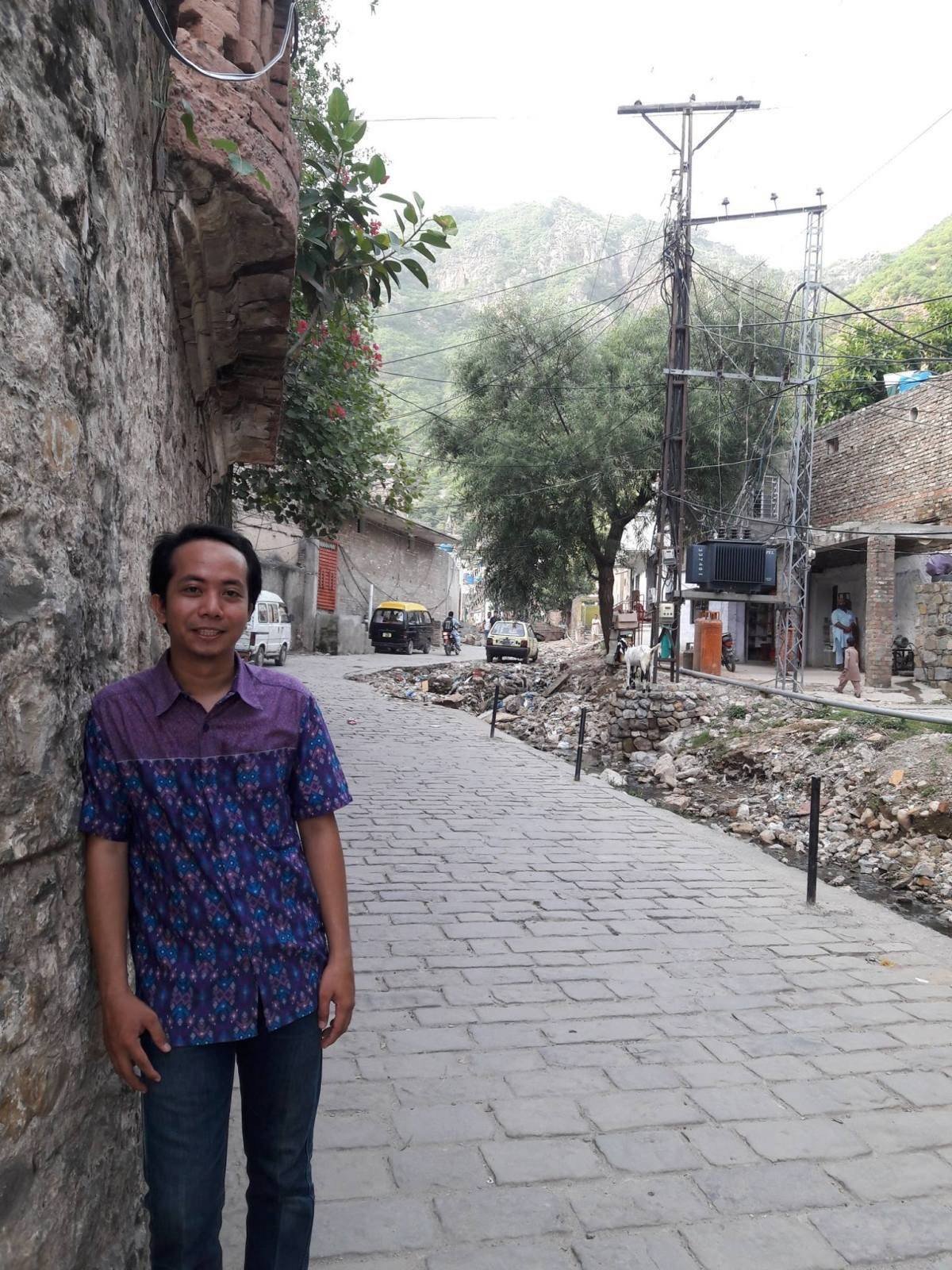
My visit to Saidpur was the most memorable. The atmosphere of this historic village, with its Hindu temple and Sikh gurdwara, seemed to transport us five centuries back in time, to when Akbar ruled the Mughal Dynasty and attempted to syncretize Islamic and Hindu teachings, blended with values from Christianity, Jainism, Sikhism, and Zoroastrianism.
I have always been fascinated by the complexity of the emperor's efforts to achieve harmony and tolerance among his subjects. Akbar not only created harmony (and, of course, controversy) but also encouraged religious and philosophical debates within his society.
Pakistan Monument
From Saidpur, the three of us headed to Pakistan Monument, located atop Shakarparian Hills. After a 10-kilometer uphill drive through dense forest, we arrived.
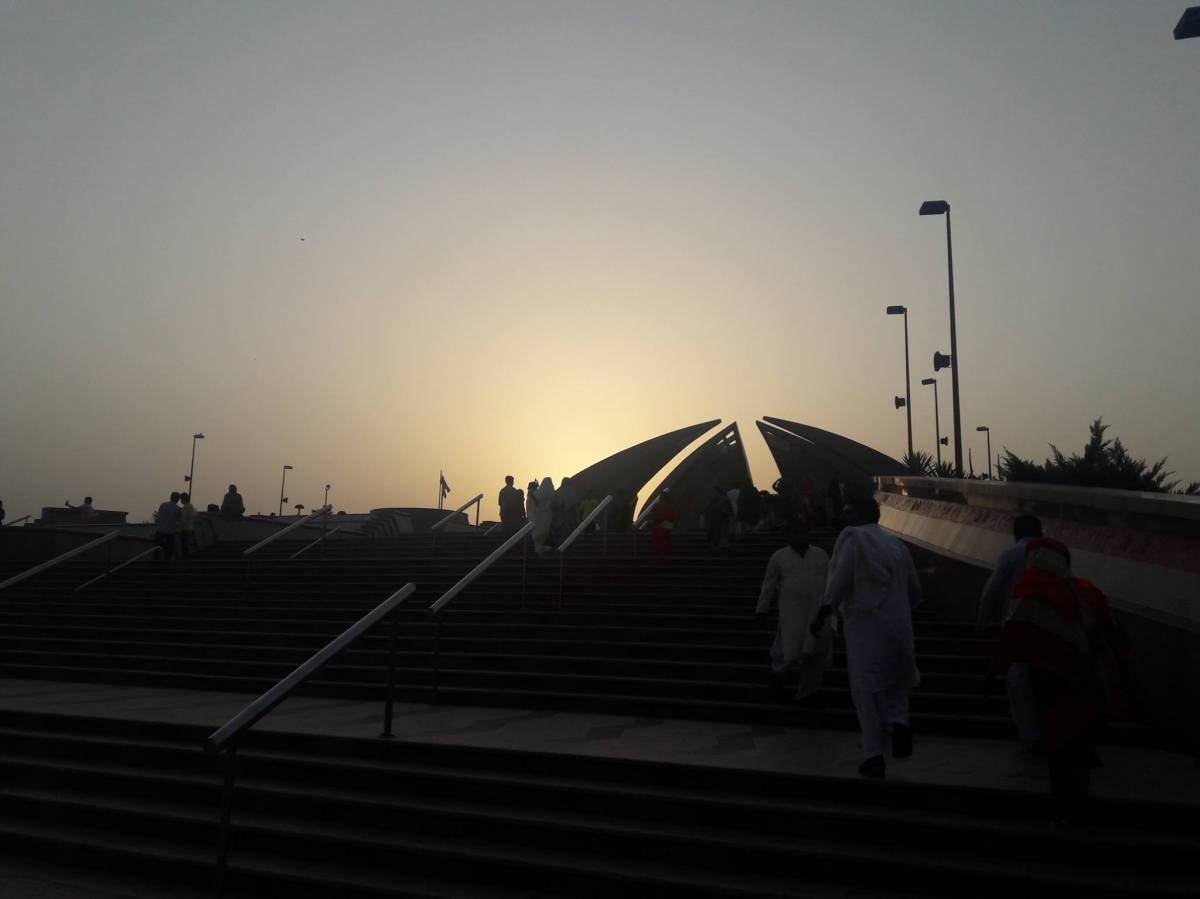
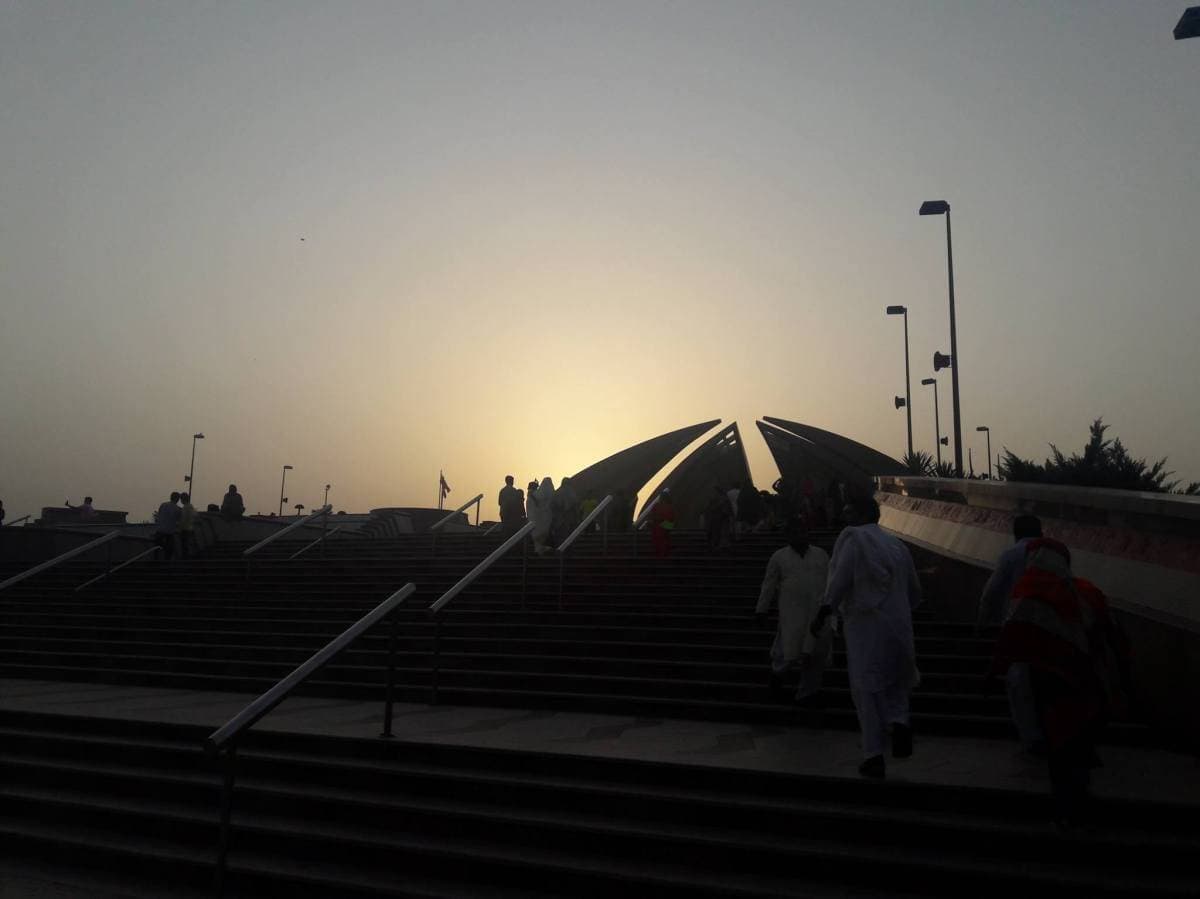
Pakistan Monument is a symbol of Pakistani national unity. It is shaped like flower petals about to bloom. Four curved structures, each 15 meters tall, meet at a central point.
If you stand directly beneath the structure, you can see the history of the Pakistani nation depicted within.
On the inner surface of the four curved granite structures, you can also see murals of important Pakistani figures such as Muhammad Ali Jinnah, the founder of Pakistan, and Muhammad Iqbal, a renowned poet and an important Islamic thinker from Pakistan.
Within the Pakistan Monument complex, there is also a fairly large museum. Unfortunately, it was closed when we visited.
Like other public places in Islamabad, there is a well for ablution water for those who wish to pray.
Inside the complex, there is also a souvenir shop. I bought a small copper replica of the Pakistan Monument for 300 rupees, equivalent to about 30,000 Indonesian rupiah.
Just outside the Pakistan Monument gates, dozens of street vendors displayed their wares. Much like in our own country, the Pakistani government has regulations concerning these vendors.
As we stepped out through the gates to leave, the vendors with their carts scattered into the forest upon spotting approaching officers about to conduct a raid.
Faisal Mosque
With the sun nearing the horizon, we decided to head back to the IIUI campus. But before reaching IIUI, we stopped at Faisal Mosque. We parked the motorcycle on the roadside alongside other illegally parked vehicles.
After taking enough photos, we discovered that Syuaib's motorcycle had disappeared. We immediately reported it to the nearest police post. It turned out the motorcycle had been towed by officers for a minor violation: parking in an unauthorized spot.
Negotiating to get the motorcycle back was initially nerve-wracking, mainly because police officers in Pakistan carry assault rifles almost everywhere -- at least from what I observed.
Eventually, the motorcycle was returned after I explained that I needed it to get back to the hotel and had to be at the airport by 9 PM. Upon learning that Syuaib was an Indonesian student, the officer finally released our motorcycle.
We then parked the motorcycle in the official Faisal Mosque parking area and quickly performed our ablutions to join the congregation for the mosque prayer.
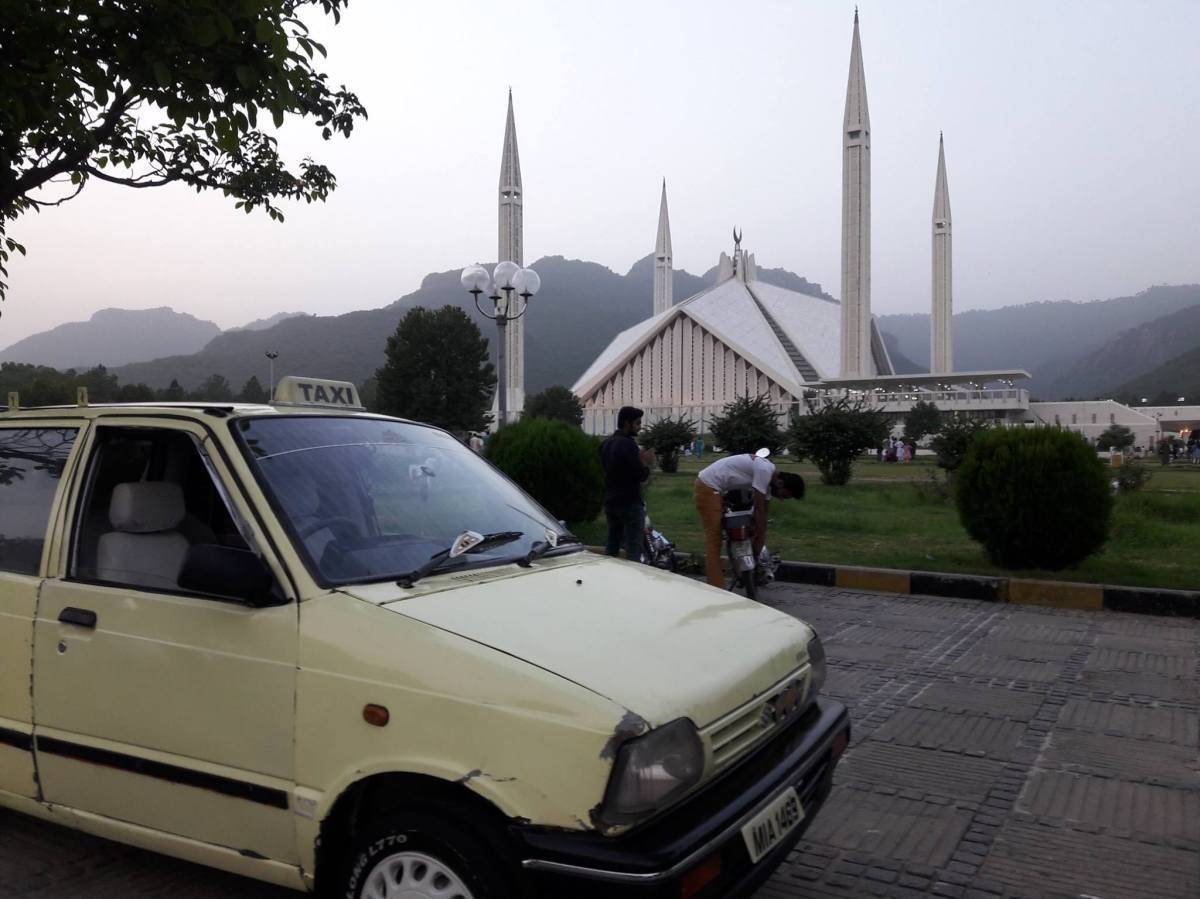
Faisal Mosque is the largest mosque in Pakistan, funded by a 120 million US dollar donation from the late King Faisal of Saudi Arabia in 1976. Designed by Turkish architect Vedat Dalokay, the mosque features a massive dome shaped like a Bedouin tent, complemented by minarets standing 79 meters tall.
As we experienced at Daman-e-Koh, Saidpur, and Pakistan Monument, our faces drew attention from the Pakistani people. A group of visitors at Daman-e-Koh even asked to take photos with us -- assuming we were a group of Chinese tourists.
After praying and taking photos in front of Faisal Mosque, we quickly made our way back to the IIUI campus dormitory. Faisal Mosque is located right across from the old campus gate, so it only took us three minutes to arrive.
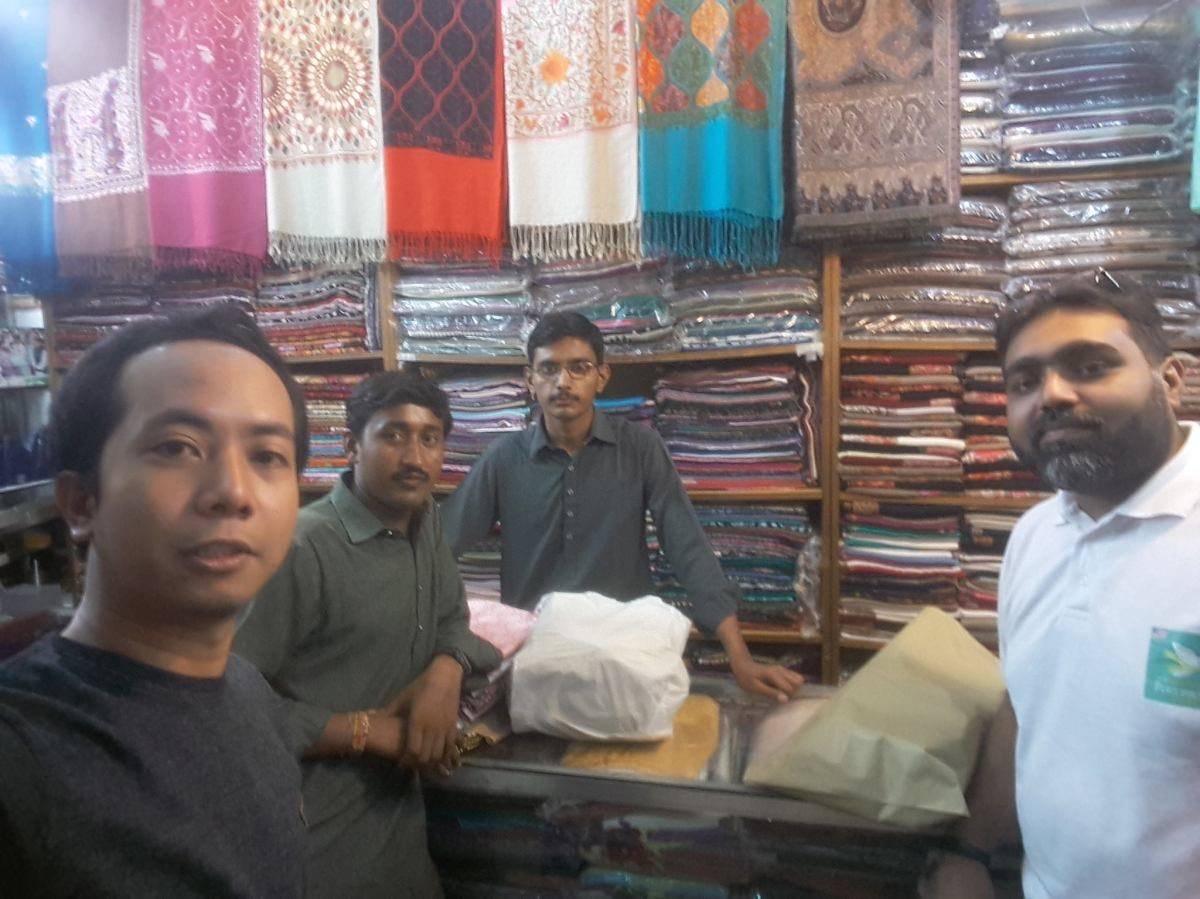
Upon reaching the dormitory, I met with Abdullah, said goodbye to my new friends Firos and Syuaib, and immediately headed to the Marriott Hotel to collect my luggage.
When I got back from the hotel, I learned I was the last participant still there. Around 200 conference attendees had already returned to their respective locations across Pakistan, including participants from Afghanistan, Bangladesh, Turkey, and Indonesia.
From there, the hotel arranged my transport to Benazir Bhutto Airport in Rawalpindi, with takeoff at 11:20 PM heading to Bangkok, then Jakarta. On August 8, at 8:00 PM local time, I arrived safely in Makassar, carrying with me the experience of visiting Islamabad's most fascinating places in a single day.